Why work from home productivity matters
Working from home changes how you manage time, space, and energy. Without clear routines and systems, small distractions multiply and work quality drops.
Improving work from home productivity helps you finish tasks faster, reduce stress, and keep a healthier work-life balance.
Core principles of work from home productivity
These core principles guide practical changes you can apply immediately. Start small and build habits that match your job and home life.
- Structure: Create predictable blocks for focused work and breaks.
- Environment: Reduce friction and distractions in your workspace.
- Visibility: Track tasks and progress to stay accountable.
- Energy: Match tasks to your natural focus peaks.
Key habits for improving work from home productivity
Focus on repeatable, measurable routines. Habit changes stack over time and produce steady gains.
Time blocking for work from home productivity
Time blocking assigns chunks of your day to a single type of work. It reduces context switching and clarifies priorities.
How to start:
- Choose 60–90 minute blocks for deep work.
- Schedule shallow tasks (emails, chat) in separate, shorter blocks.
- Use calendar color-coding so your day is visually structured.
Design a distraction-free zone
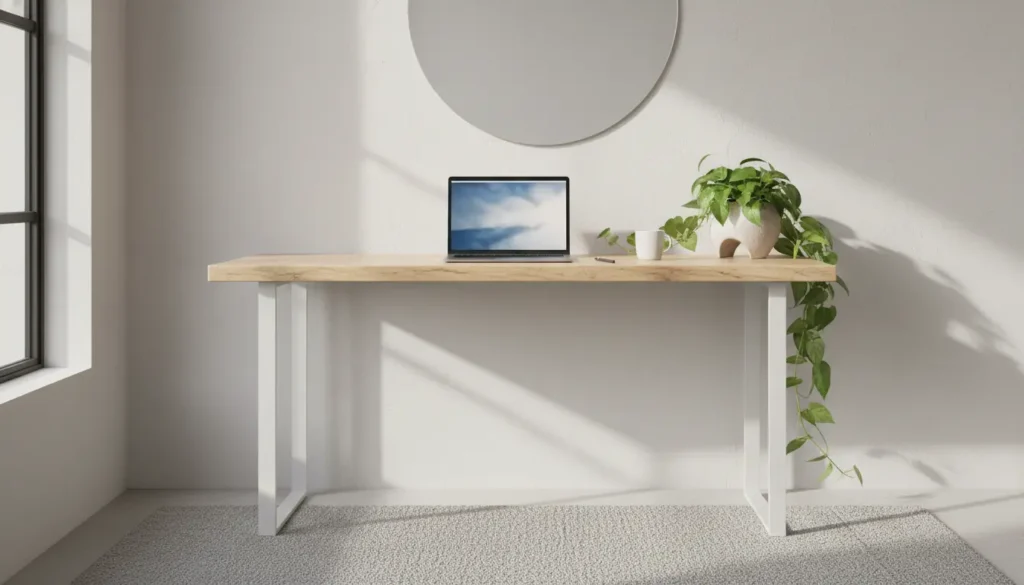
Your environment affects focus more than willpower. A simple workspace setup reduces interruptions and decision fatigue.
Tips to set up a focused zone:
- Face your desk toward a neutral background to avoid visual clutter.
- Keep only the tools you need for the current task visible.
- Use noise-cancelling headphones or soft background sounds if household noises are a problem.
Use task visibility and limits
Visible task lists and daily limits prevent overcommitting. Use a single source of truth for tasks.
Try this routine:
- Each morning, pick 3 most important tasks (MITs) for the day.
- Limit your active task list to those MITs plus one administrative buffer.
- Review progress at midday and again at the end of the day.
Match tasks to your energy rhythms
Most people have natural peaks and troughs of focus. Scheduling demanding tasks during your peak hours boosts quality and speed.
Identify your peak hours over a week and protect them for deep work. Use lower-energy periods for meetings or routine admin.
Practical tools and systems for remote productivity
Tools help, but systems matter more. Pick one tool for each need and use it consistently.
- Task management: Trello, Todoist, or a simple notebook.
- Calendar: Google Calendar or Outlook with time blocking.
- Focus: Pomodoro timers like Marinara or Forest.
- Communication: Set clear check-in times for Slack or Teams.
Daily routines to sustain work from home productivity
Routines automate decisions and preserve willpower for important work. Keep your morning and end-of-day routines short and consistent.
Example routine:
- Morning: Quick planning (10 minutes), set MITs, start deep work block.
- Midday: Short review, lunch away from desk, 15-minute walk or stretch.
- Afternoon: Meetings and shallow tasks, final review, plan next day.
Working in focused blocks of about 90 minutes aligns with natural ultradian rhythms and can improve concentration and creativity.
Case study: Small marketing team boosts output
A three-person marketing team moved to a hybrid remote model and struggled with slow campaign turnaround. They applied simple work from home productivity changes and tracked results for six weeks.
Actions taken:
- Implemented daily 90-minute deep work blocks for creatives.
- Limited meetings to two fixed slots per week and used async updates otherwise.
- Created a visible Kanban board with clear owners and deadlines.
Results after six weeks: campaign completion time fell by 30%, quality reviews decreased rework by 40%, and team satisfaction rose on short surveys. The changes were small but consistent, making workflows predictable and faster.
Common problems and quick fixes
Even with good habits, problems occur. Use these quick fixes when productivity stalls.
- Interruptions: Create a visible signal (closed door, headphones) and set clear interruption rules.
- Procrastination: Break tasks into 15–30 minute steps and start with a single step.
- Overwork: Set a hard stop time and schedule a meaningful evening routine.
Measuring improvement in work from home productivity
Track simple metrics to see progress. Avoid complex measurements that require too much time to maintain.
Useful metrics:
- Number of MITs completed each day.
- Time spent in deep work blocks per week.
- Cycle time for completed tasks (request to delivery).
Next steps to improve your work from home productivity
Pick one habit to test for two weeks: time blocking, a distraction-free zone, or task limits. Measure one simple metric and adjust.
Small, repeatable changes compound. Start with one adjustment and scale what works for your role and household.