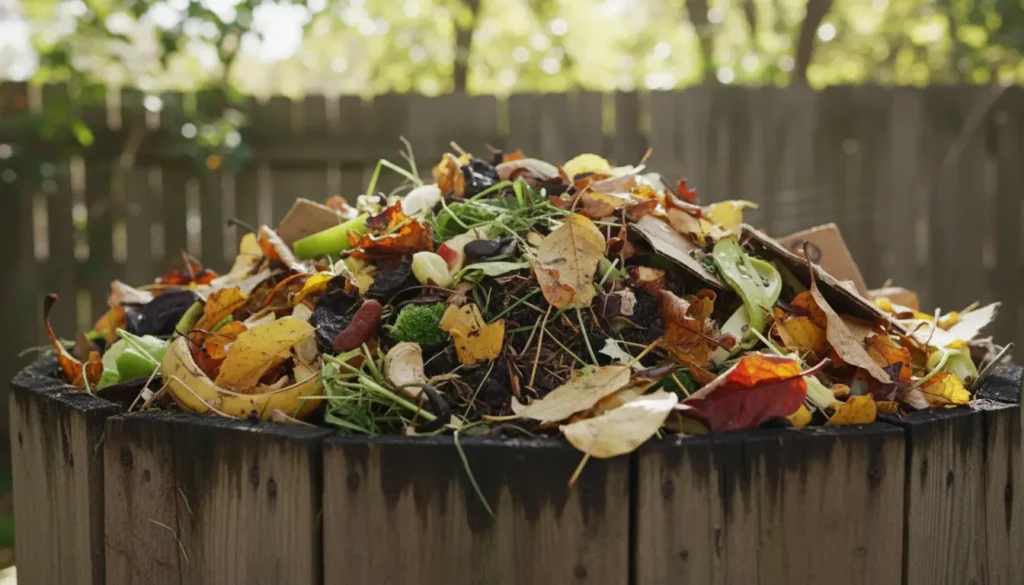
Start Composting at Home With Confidence
Home composting turns kitchen and garden waste into a valuable soil amendment. This guide explains simple systems, the right materials, and basic maintenance so you can produce healthy compost without guesswork.
Why Home Composting Matters
Composting reduces household waste, lowers methane emissions from landfills, and improves soil health. It saves money on fertilizers and boosts garden productivity.
Getting Started With Home Composting
Decide on a system that fits your space and lifestyle. Small apartments have different options than suburban backyards, so choose what you will maintain regularly.
Home Composting System Options
- Compost tumbler: Good for small yards and faster turnaround.
- Static bin: Low effort, can be built from pallets or bought as a plastic bin.
- Bokashi: Fermentation method ideal for indoor use and for food scraps including meat.
- Vermicomposting: Uses worms, works well indoors for apartments and produces rich castings.
Compost Materials and Ratios
Balance carbon rich browns and nitrogen rich greens. A rough target is 25–30 parts carbon to 1 part nitrogen by weight, but simple practice works just as well using volume rules.
What to Add in Home Composting
- Greens: Vegetable scraps, coffee grounds, fresh grass clippings.
- Browns: Dry leaves, shredded paper, cardboard, straw.
- Avoid: Oily foods, large meat pieces, diseased plants, pet waste from carnivores.
Example mix: 1 bucket vegetable scraps plus 2 buckets shredded leaves or cardboard works for most backyard bins.
Maintaining Your Compost
Maintenance keeps decomposition active and prevents odors. Simple, consistent care is better than complex inputs.
Basic Home Composting Routine
- Add fresh material in thin layers to keep airflow.
- Turn or mix every 1–2 weeks for a faster, hotter compost.
- Keep moisture like a wrung-out sponge; add water if dry and browns if soggy.
- Chop large pieces to speed breakdown.
If using a tumbler, spin it a few times each week. For static bins, use a garden fork to aerate monthly.
Troubleshooting Common Problems
Most compost issues are easy to fix once you know the cause.
Smell, Flies, or Slow Breakdown
- Smell indicates too much wet green material or poor aeration. Add browns and turn the pile.
- Flies suggest exposed food scraps. Bury new greens under browns or cover with a layer of finished compost.
- Slow breakdown is often low nitrogen or cold conditions. Chop materials smaller and mix in some green waste or manure.
Using Finished Compost
Finished compost is dark, crumbly, and earthy smelling. Use it to enrich potting mixes, topdress lawns, or work into garden beds.
- Topdress: Spread a 1 inch layer around plants and let it work in naturally.
- Soil amendment: Mix 10-30% compost into garden soil when planting or building beds.
- Potting mix: Blend 20-40% compost with soil or coir for container plants.
Small Real-World Case Study
Case study: A three-person household began backyard composting with a 60-liter tumbler. They saved about 25% of their weekly trash volume in the first month.
They used a 2 to 1 ratio of brown to green material, turned the tumbler twice weekly, and harvested compost after three months. The compost improved their vegetable bed structure, and their tomatoes produced fuller fruit the next season.
Quick Checklist for New Home Composters
- Choose a system that fits your space and routine.
- Collect greens and browns separately for easier mixing.
- Aim for moisture like a wrung-out sponge.
- Turn or aerate regularly for a faster finish.
- Monitor and adjust if smell or pests appear.
Did You Know? A properly managed hot compost pile can reach 130°F and kill common weed seeds and pathogens, making the finished compost safer for the garden.
Final Tips for Successful Home Composting
Start small and adjust methods as you learn what works in your climate and household. Record simple notes about ratios and times so you can repeat success.
Composting is a skill that improves with practice. The environmental and gardening benefits make the effort worthwhile.