How to Start a Vegetable Garden: First Steps
Starting a vegetable garden at home is a practical way to grow fresh food, save money, and enjoy outdoor activity. This guide explains clear steps you can follow whether you have a small balcony or a backyard plot.
Choose a Site to Start a Vegetable Garden
Select a spot with at least 6 hours of sunlight a day for most vegetables. Make sure the site has good drainage and is reasonably close to a water source to reduce daily effort.
Decide Between Containers, Raised Beds, or In-Ground
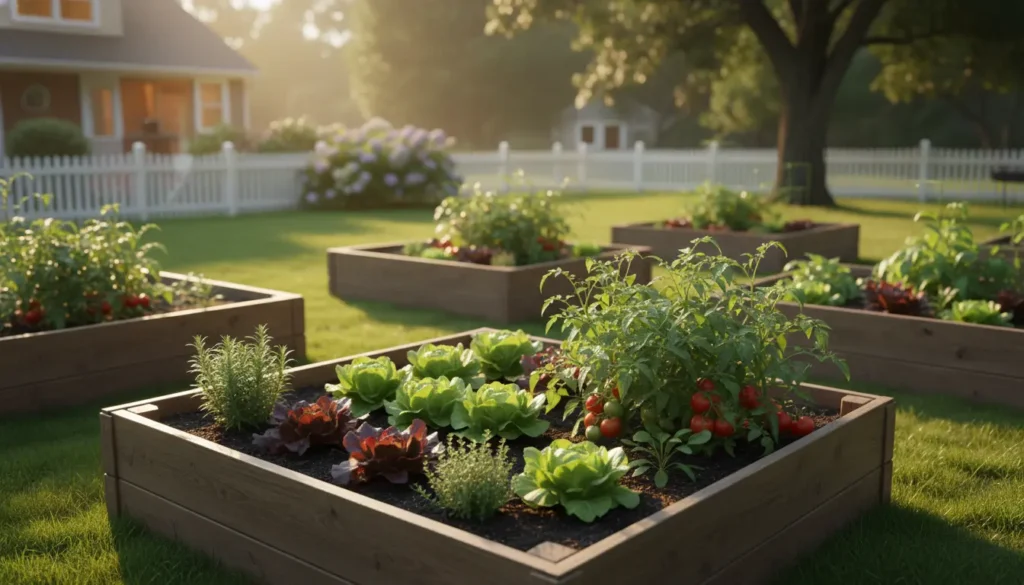
Each option suits different spaces and budgets. Containers work well on balconies; raised beds offer better soil control; in-ground gardens are cheapest for large areas.
Prepare Soil When You Start a Vegetable Garden
Soil quality is the most important factor for success. Test your soil or assume you need to improve it with organic matter and balanced nutrients.
Basic Soil Prep Steps
- Clear weeds and debris from the area.
- Loosen soil to about 8–12 inches deep for roots to develop.
- Mix in 2–4 inches of compost or well-rotted manure to improve structure and nutrients.
For containers and raised beds, use a mix of topsoil, compost, and coconut coir or peat to retain moisture while draining well.
Choose Plants When You Start a Vegetable Garden
Select vegetables that match your climate, season, and skill level. Beginners should start with reliable, low-maintenance crops that give fast rewards.
Good Beginners Vegetables
- Lettuce and other salad greens — fast and harvestable in weeks.
- Tomatoes (determinate varieties) — productive in containers and beds.
- Radishes and carrots — root vegetables that grow quickly from seed.
- Beans and peas — easy to grow and improve soil by fixing nitrogen.
Planting Schedule and Spacing
Use seed packets or plant labels to follow recommended planting times for your area. Respect spacing guidelines so plants have room for air circulation and root growth.
Companion Planting and Succession
Grow compatible plants together to manage pests naturally. Use succession planting — sowing new rows every 2–3 weeks — to maintain steady harvests.
Watering and Feeding Your Vegetable Garden
Consistent watering is crucial. Most vegetables need about 1 inch of water per week, supplied by rainfall or irrigation.
Practical Watering Tips
- Water early in the morning to reduce evaporation and fungal risks.
- Use drip irrigation or soaker hoses to target roots and save water.
- Mulch with straw or wood chips to retain moisture and suppress weeds.
Feed plants with a balanced organic fertilizer or side-dress with compost during the growing season to maintain fertility.
Pest and Disease Management in a Vegetable Garden
Preventive practices reduce most pest and disease problems. Aim for healthy soil, proper spacing, and crop rotation to keep plants vigorous.
Low-Toxicity Control Methods
- Inspect plants weekly and remove affected leaves or insects by hand.
- Use row covers to protect young plants from insects.
- Encourage beneficial insects such as ladybugs and lacewings by adding flowering herbs.
Maintenance Plan After You Start a Vegetable Garden
Simple, regular care keeps your garden productive. Plan 20–30 minutes most days during peak season for weeding, harvesting, and light tasks.
Weekly Checklist
- Check soil moisture and water if dry below the surface.
- Harvest ripe vegetables to encourage further production.
- Remove weeds and monitor for pests.
Planting marigolds near tomatoes can reduce certain nematodes and attract beneficial insects, helping increase yields without chemicals.
Case Study: Small Urban Backyard Garden
Maria transformed a 10-by-12 foot backyard into three raised beds and a container bench last spring. She chose tomatoes, peppers, lettuce, and bush beans for staggered harvests.
After preparing soil with compost and installing drip irrigation, Maria followed a simple routine: water deeply twice a week, harvest daily, and add compost monthly. By mid-summer she was harvesting salads twice a week and filled a small freezer with blanched beans.
Common Mistakes to Avoid When You Start a Vegetable Garden
- Overcrowding plants — this increases disease and lowers yields.
- Inconsistent watering — leads to blossom end rot in tomatoes and cracked roots in carrots.
- Skipping soil improvement — poor soil means poor harvests regardless of care.
Start Small and Expand Your Vegetable Garden
Begin with a few easy crops and scale up as you gain confidence. A small productive garden is better than a large neglected one.
Keep notes on what varieties and layouts worked for you, and plan each season based on those results. With steady care, your home vegetable garden will become a reliable source of fresh food.