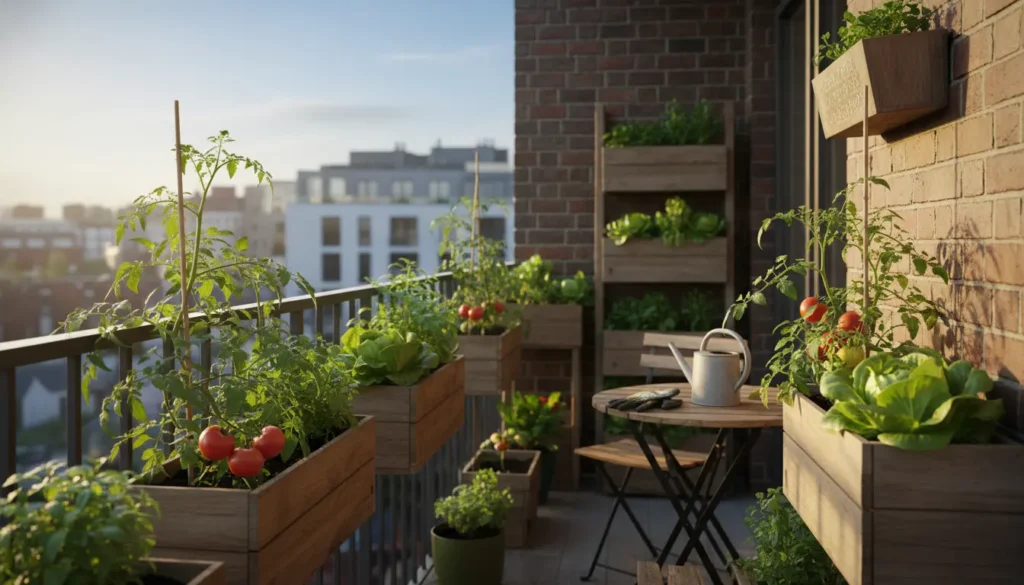
Starting a vegetable garden is a practical way to grow fresh food, save money, and enjoy time outdoors. This guide breaks the process into clear, actionable steps so beginners can get growing with confidence.
How to Start a Vegetable Garden: Plan Your Garden
Good planning makes planting and maintenance easier. Begin by choosing the right location, deciding what to grow, and setting a realistic size for your first garden.
Choose the Right Site to Start a Vegetable Garden
Vegetables need at least 6 hours of direct sunlight daily. Observe sunlight patterns for a week to pick the best spot.
Also check for water access, wind exposure, and ease of access for daily care. For small yards or balconies, container gardening is a reliable alternative.
Decide What to Grow
Start with easy, high-reward crops like tomatoes, lettuce, radishes, and herbs. Consider your climate and the length of your growing season.
Choose varieties labeled “disease-resistant” or “short-season” if you have limited time or space.
How to Start a Vegetable Garden: Prepare the Soil
Healthy soil is the foundation of a productive garden. Test, improve, and maintain soil quality before planting.
Test and Amend Soil
Use a simple soil test kit to check pH and nutrient levels. Most vegetables prefer slightly acidic to neutral soil (pH 6.0–7.0).
Add compost or well-rotted manure to improve texture and fertility. Mix amendments into the top 6–8 inches for best results.
Raised Beds and Containers
Raised beds warm earlier in spring and drain better than heavy ground soil. They are ideal if your yard has poor soil or drainage issues.
Containers work well on patios and balconies. Use a quality potting mix and ensure containers have drainage holes.
How to Start a Vegetable Garden: Planting Basics
Timing and spacing are critical when you plant. Follow seed packet or plant tag instructions for depth and spacing to avoid overcrowding.
Planting Calendar and Succession Planting
Create a simple planting calendar based on your last frost date. Plant cool-season crops earlier and warm-season crops after frost risk passes.
Use succession planting to maximize harvests: sow a new row of fast crops (like radishes or lettuce) every 2–3 weeks.
Watering Right
Water deeply and less frequently to encourage strong root development. Aim for 1–1.5 inches of water per week, more in hot weather.
Water at the base of plants to reduce disease problems. Mulch helps retain moisture and suppress weeds.
How to Start a Vegetable Garden: Maintain and Protect Your Plants
Consistent maintenance keeps plants healthy and productive. Regular tasks include weeding, pruning, staking, and monitoring for pests.
Pest and Disease Management
Start with prevention: healthy soil, proper spacing, and crop rotation reduce problems. Inspect plants weekly to catch issues early.
Use non-toxic controls first, such as hand-picking pests, insecticidal soaps, or row covers. Reserve stronger treatments only when necessary.
Fertilizing and Supporting Growth
After plants establish, feed them with a balanced organic fertilizer or compost tea according to package directions. Overfertilizing can reduce fruiting.
Support tall plants with stakes, cages, or trellises to improve air flow and ease harvesting.
How to Start a Vegetable Garden: Harvesting and Season Extension
Harvest crops at peak ripeness for the best flavor and to encourage continued production. Many plants produce more when regularly harvested.
Extend the Season
Use row covers, cloches, or cold frames to protect against early frosts and extend harvests into fall. In spring, protective covers warm soil and speed planting.
Start seedlings indoors to get a jump on the season, then transplant once conditions are right.
Planting marigolds near tomatoes can help deter some soil pests and attract beneficial insects. Companion planting can be a useful low-cost strategy for pest management.
Simple Checklist to Start a Vegetable Garden
- Choose a sunny site or containers with full sun exposure.
- Test soil pH and add compost to improve fertility.
- Select 3–6 easy crops for your first season.
- Plan a planting calendar around your last frost date.
- Mulch, water deeply, and monitor plants weekly.
Quick Planting Examples
- Lettuce: sow every 2 weeks for a continuous harvest.
- Tomatoes: transplant after frost; stake for support.
- Radishes: harvest in 3–4 weeks; ideal for succession planting.
Case Study: Sarah’s Balcony — A Small Real-World Example
Sarah had a small south-facing balcony and wanted fresh salad greens. She used three 12-inch containers and high-quality potting mix.
She planted two varieties of lettuce and a pot of basil. By following a regular watering schedule and weekly harvesting, she had continuous greens for four months.
Sarah’s tips: place containers where they get morning sun, use a saucer to catch excess water, and rotate crops each season to reduce disease risk.
Final Tips to Start a Vegetable Garden
Start small and expand after your first season. Small successes build skills and confidence for larger projects.
Keep notes on planting dates, varieties, and results. A simple garden journal helps improve yields each year.
With a bit of planning and regular care, anyone can start a vegetable garden and enjoy fresh homegrown produce.