Work From Home Productivity: Plan Your Day Before You Start
Start each workday with a short planning session to boost focus. Spend 10 minutes listing three priority tasks that will move your main goals forward.
Use a simple format like: top priority, secondary task, and a quick admin slot. This reduces decision fatigue and keeps work aligned with results.
Set Clear Goals for Work From Home Productivity
Define what success looks like for the day. Choose measurable outcomes instead of vague activities, for example, “write 800 words” rather than “work on report.”
When goals are specific, you can track progress and end the day with a clear sense of accomplishment.
Design a Dedicated Workspace to Improve Productivity
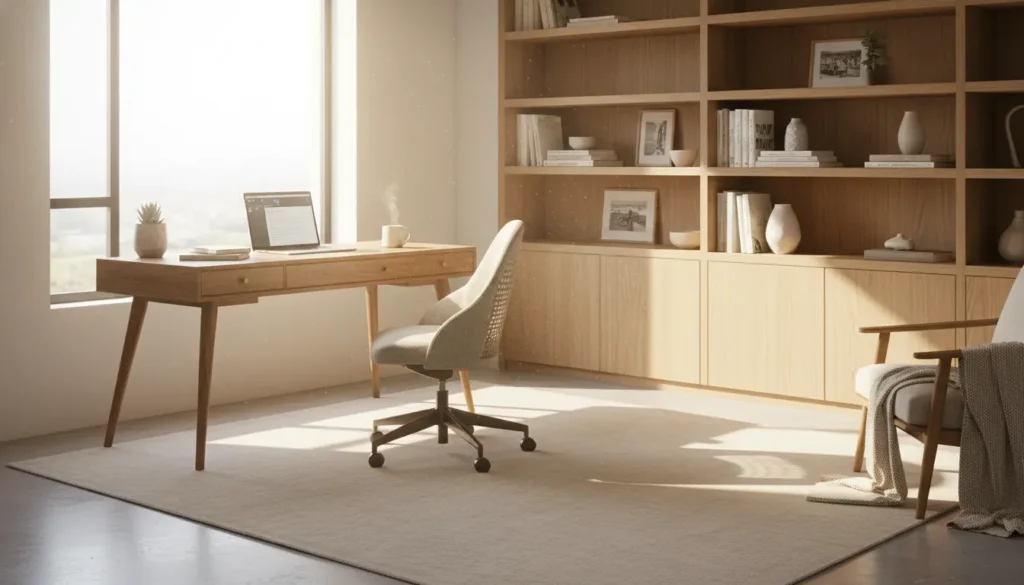
Create a consistent place to work, even if it is a corner of a room. A dedicated workspace signals your brain that it is time to focus.
Keep essentials within reach and remove non-work clutter. Good lighting and a comfortable chair make long sessions easier and reduce distractions.
Ergonomics and Tools for Better Work From Home Productivity
Minimize physical strain with simple ergonomic adjustments. Set monitor height to eye level and position your keyboard to keep wrists neutral.
Invest in a quality headset and reliable internet connection to avoid technical interruptions that cost time and attention.
Use Time Blocking and the Pomodoro Technique
Time blocking assigns chunks of the day to specific types of work. It reduces context switching and makes large tasks manageable.
Combine time blocks with the Pomodoro method: 25 minutes focused work, 5 minutes break. After four cycles take a longer 15–30 minute break.
Sample Daily Block for Work From Home Productivity
- 08:30–09:00 Planning and email triage
- 09:00–11:00 Deep work block (highest priority)
- 11:00–11:15 Short break and reset
- 11:15–12:30 Secondary tasks
- 13:30–15:00 Meetings and collaboration
- 15:15–16:30 Admin and wrap-up
Minimize Distractions and Protect Deep Work Time
Turn off non-essential notifications and use a focus app if needed. Silence social media and unrelated chat during deep work blocks.
Communicate boundaries to family or housemates so they understand your schedule and interruptions fall only during breaks.
Practical Tools to Support Work From Home Productivity
- Task manager: Todoist, Microsoft To Do, or a simple paper list
- Focus timer: Forest, Pomodone, or built-in timers
- Communication: Slack with status control or scheduled email checks
Batch Similar Tasks to Reduce Context Switching
Group routine tasks like email, invoicing, or paperwork into one block. Batching lowers the mental cost of switching between different kinds of work.
When possible, schedule creative or high-focus tasks in your morning peak energy time and admin tasks in low-energy slots.
Set Meeting Rules to Protect Productive Time
Limit meetings to necessary participants and clear agendas. Use shorter meeting durations, for example 25 or 45 minutes, to create natural focus blocks.
When meetings are required, add a clear outcome and follow-up tasks to maintain momentum after the call.
Use Routines and Rituals to Signal Work Mode
Small rituals help establish a work mindset. Examples include making coffee, a two-minute stretch, or opening a specific notebook before starting.
These cues create consistency and reduce the start-up time for deep work sessions.
Research shows short breaks during focused work improve sustained attention and reduce errors. Breaking work into 25–50 minute segments can help you maintain high-quality output.
Track Progress and Adjust Your System
Review your weekly results to identify patterns and bottlenecks. Small changes like shifting a meeting time or shortening a break can yield measurable gains.
Keep a simple weekly log with completed priorities and one improvement action for the next week.
Real-World Example: Freelancer Cuts Work Time, Increases Output
Maria, a freelance copywriter, shifted from an open-ended workday to time blocking with two deep-work blocks. She combined that with a strict email check schedule.
Within four weeks she reduced daily work hours from nine to seven and increased completed client projects by 30 percent. Her key changes were clearer daily goals and fewer task switches.
Final Tips to Maintain Work From Home Productivity
Start small and iterate. Try one new habit for two weeks and measure its effect before adding another change.
Stay flexible and compassionate with yourself. Productivity is a system that improves over time with consistent adjustments and realistic expectations.