Why Home Composting Matters
Home composting turns kitchen scraps and yard waste into nutrient-rich soil. It reduces landfill waste, lowers greenhouse gas emissions, and improves garden health.
This guide explains straightforward steps to start and maintain home composting, with practical tips and troubleshooting advice.
Choose the Right Compost System for Your Home
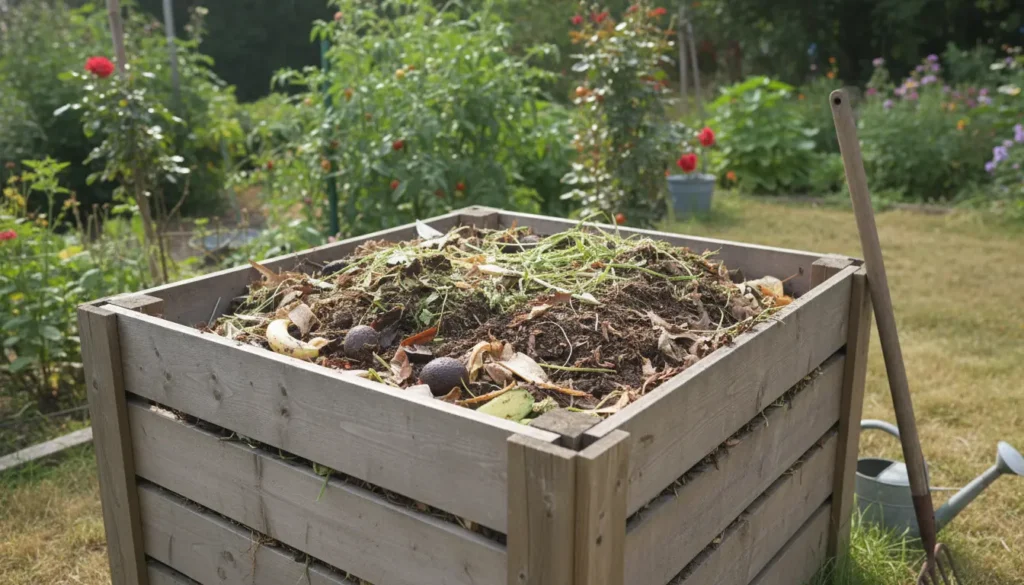
There are several composting systems; pick one that fits your space and routine. Common options include tumblers, bins, and simple compost piles.
- Tumbler — Good for small yards and faster turnover. Rotates easily to aerate material.
- Bin — Inexpensive and tidy. Easy to contain material and retain heat.
- Open pile — Works for larger properties. Requires more effort to manage pests and moisture.
- Worm composting (vermicompost) — Ideal for apartments or small spaces using worm bins indoors.
Essential Materials for Home Composting
Compost needs a balance of carbon-rich and nitrogen-rich materials. Aim for variety and avoid common contaminants.
- Greens (nitrogen): vegetable scraps, coffee grounds, grass clippings.
- Browns (carbon): dry leaves, shredded paper, straw, cardboard.
- Water: Keep the pile as damp as a wrung-out sponge.
- Aeration: Turn or mix to introduce oxygen and prevent odors.
Materials to Avoid
- Meat, dairy, bones (attract pests)
- Oily or greasy foods
- Diseased plants or weeds with seeds
- Pet waste from carnivores
Step-by-Step Home Composting Process
Follow these practical steps to build and maintain a healthy compost pile.
- Location: Place the bin on soil or grass to allow worms and microbes access. Choose a partly shaded spot to regulate temperature.
- Layering: Start with a layer of coarse browns (twigs) for drainage, then alternate greens and browns in 3–6 inch layers.
- Moisture: Add water if dry, or add browns if soggy. Target sponge-like dampness.
- Aeration: Turn the pile every 1–2 weeks with a pitchfork or use a tumbler to speed decomposition.
- Temperature: Active piles heat to 130–160°F (55–70°C) which kills many weed seeds and pathogens. Cooler piles still work but take longer.
Troubleshooting Common Home Composting Issues
Problems are usually easy to fix with small adjustments.
- Bad odor — Add more browns and turn the pile to increase aeration.
- Slow decomposition — Chop materials smaller, add nitrogen-rich greens, and ensure moisture.
- Pests — Bury food scraps under browns, use closed bins, or avoid meat and dairy.
- Too dry — Water the pile and mix to distribute moisture.
Composting a typical household’s organic waste can reduce overall household waste volume by up to 30%. Finished compost can retain moisture and reduce the need for watering in your garden.
How to Tell When Compost Is Ready
Finished compost is dark, crumbly, and earthy-smelling. Most materials break down in 3–12 months depending on the method and management.
Screen the compost through a mesh to remove large pieces and return those to the pile for further decomposition.
Uses for Finished Compost
- Soil amendment: Improve structure and nutrient content in garden beds.
- Top dressing: Apply a thin layer around plants to conserve moisture.
- Potting mixes: Blend with soil and sand for container plants.
Real-World Example: Small Urban Household
Case study: A two-person household in a city used a 60-litre tumbler for one year. They collected kitchen scraps and mixed in shredded cardboard. By turning the tumbler weekly and maintaining moisture, they produced usable compost in four months.
Results: They reduced trash volume by nearly 25% and used the compost on balcony planters. Their plants showed improved growth and required less fertilizer.
Quick Checklist for Starting Home Composting
- Choose a bin or tumbler that fits your space.
- Gather browns and greens before starting.
- Layer materials and keep the pile moist but not saturated.
- Turn the pile regularly to supply oxygen.
- Monitor for pests and odors; adjust balance as needed.
Final Tips for Successful Home Composting
Start small and learn by doing. Keep a simple container for kitchen scraps and empty it into your bin regularly to avoid pests.
Use a compost thermometer if you want to track active decomposition, but it is not required for success. Consistency and balance are the main factors for a healthy compost system.
Home composting is a manageable, low-cost way to reduce waste and support healthier soil. With the right setup and a few simple habits, anyone can create quality compost at home.