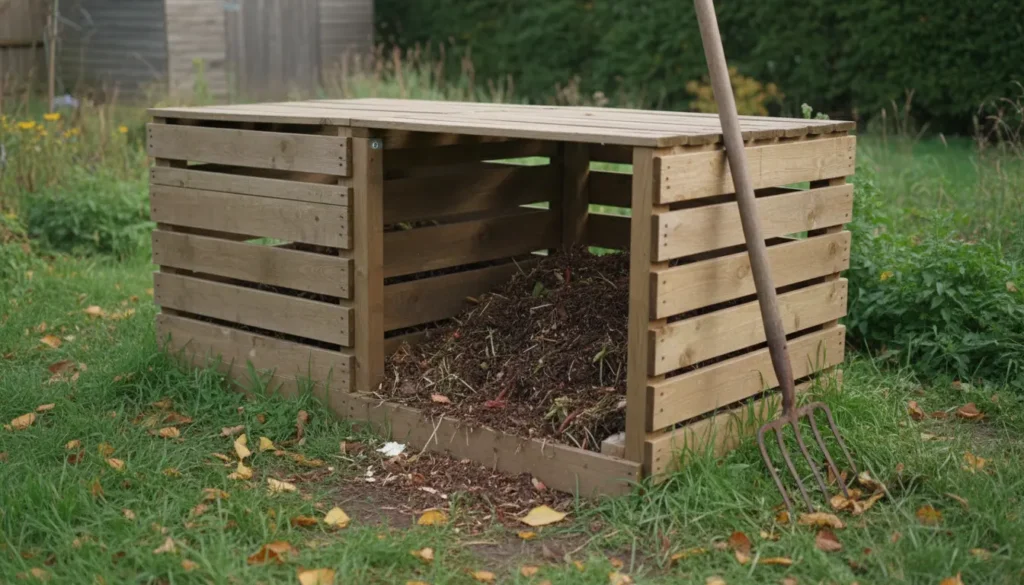
Home composting turns kitchen scraps and yard waste into nutrient-rich soil. This guide explains simple, practical steps to set up and maintain a compost system at home. Follow clear instructions and avoid common mistakes.
What Is Home Composting?
Home composting is the controlled decomposition of organic materials like food scraps and leaves in a backyard or indoor bin. Microbes, worms, and insects break the material down into humus you can use in pots, garden beds, or planters.
Why Start Home Composting?
Composting reduces landfill waste and returns nutrients to soil. It saves money on fertilizer and improves plant health by increasing soil structure and water retention.
How to Start Home Composting
Starting is easier than many people think. You need a container, basic materials, and a simple routine to keep things balanced.
Choose a Location for Home Composting
Pick a spot that is level and has good drainage. For backyard bins, partial shade reduces drying. For indoor systems, use a small worm bin or bokashi in a ventilated area.
Select a Bin Type for Home Composting
Common options include tumblers, stationary bins, and open piles. Tumblers speed up mixing. Stationary bins are low-cost. Worm bins (vermicompost) work well indoors.
Gather Materials: Greens and Browns
Balance nitrogen-rich “greens” with carbon-rich “browns.” Greens include fruit and vegetable scraps, coffee grounds, and fresh grass clippings. Browns include dry leaves, shredded paper, and straw.
- Aim for roughly a 2:1 ratio of browns to greens by volume.
- Chop larger items to speed decomposition.
Layering, Moisture, and Aeration
Start with a 4–6 inch layer of brown material. Add a thinner layer of greens, then another brown layer. Keep the pile as damp as a wrung-out sponge. Turn or mix the pile weekly to add oxygen.
Home Composting System Examples
Different systems suit different living situations. Here are practical options.
- Backyard Trench Composting: Bury kitchen scraps directly in garden trenches for slow decomposition.
- Compost Tumbler: Best for fast composting and easy turning.
- Vermicomposting: Use red worms in a bin for small-space, odor-free composting.
Common Problems and Solutions in Home Composting
New composters often worry about smell, pests, or slow breakdown. Most issues have simple fixes.
Bad Odor
Odors usually mean too much green material or poor aeration. Add browns like shredded paper and turn the pile to restore balance.
Pests and Fruit Flies
Avoid meat, dairy, and oily foods in open bins. Use a closed bin, bury scraps under browns, or use a sealed indoor system like bokashi to prevent pests.
Slow Decomposition
Make sure materials are small and moist. Increase surface area by chopping scraps and turning the pile to speed microbial action.
Maintenance Tips for Successful Home Composting
- Turn the pile every 1–2 weeks for aerobic composting.
- Monitor moisture and add water or dry browns as needed.
- Keep a simple kitchen scrap container and empty it regularly into your bin.
- Use finished compost in potting mixes, topdressings, or soil amendments.
Small Case Study: Suburban Family Starts Home Composting
A family of four in a small suburban yard began composting with a 55-gallon tumbler. They collected kitchen scraps in a counter bucket and added shredded leaves from the yard.
Within three months they had crumbly, dark compost. They used it to topdress vegetable beds and noted improved soil moisture and healthier tomato plants. The family reduced trash output noticeably.
What You Can Compost and What to Avoid
- Safe: Fruit and vegetable scraps, coffee grounds, tea bags, eggshells, yard trimmings, shredded paper.
- Avoid in small home piles: Meat, dairy, bones, oils, diseased plants, pet waste.
Final Steps and Tips for New Home Composters
Start small and build confidence. Track what you add and how often you turn the pile. Adjust browns and greens until the system stabilizes.
Composting is a practical habit with measurable benefits for soil and waste reduction. With basic care, most homeowners and renters can produce useful compost within months.
Ready to start? Choose a bin, collect materials, and begin with a simple layer today. Small, consistent steps lead to great results in home composting.