How to Start a Vegetable Garden: First Steps
Starting a vegetable garden is a practical way to grow fresh food and learn about soil, seasons, and plant care. This guide gives clear, step-by-step instructions to plan, prepare, and plant a productive garden.
Choose the Right Location to Start a Vegetable Garden
Most vegetables need at least 6 hours of direct sun daily. Look for a flat area with good drainage and easy access to water.
Avoid low spots where water pools and places shaded by tall trees. If space is limited, consider containers or raised beds.
Decide What to Grow
Start with easy, high-yield vegetables: tomatoes, lettuce, radishes, beans, and herbs. Pick varieties suited to your climate and season.
Create a short list of 6–10 crops for your first year so you can focus on learning basic care and timing.
Prepare Soil and Beds
Healthy soil is the foundation of a successful vegetable garden. Test or feel your soil to determine texture and drainage before planting.
Loosen soil to at least 8–12 inches for root crops and remove large rocks or debris. Add organic matter to improve structure and nutrients.
Soil Improvement Steps
- Get a basic soil test or use a DIY kit to check pH and nutrients.
- Mix in 2–4 inches of compost across the bed and turn it into the top 6–8 inches.
- For heavy clay, add coarse sand and compost to improve drainage.
- For sandy soil, add compost and mulch to retain moisture.
Plan Layout and Planting Schedule
Plan a layout that groups plants with similar water and sun needs. Use rows, blocks, or raised beds depending on space.
Create a simple planting calendar based on your last frost date. Plant cool-season crops early and warm-season crops after frost risk passes.
Companion Planting and Spacing
Use companion planting to maximize space and reduce pests. For example, plant basil near tomatoes to help flavor and may reduce some pests.
Follow seed packet spacing recommendations. Crowding reduces airflow and increases disease risk.
Planting: Seeds vs. Transplants
Decide whether to start from seed or buy young plants. Seeds are economical and offer more variety. Transplants give a head start, especially for slow growers like tomatoes.
When transplanting, plant at the same depth as the container and water thoroughly. Firm the soil gently around the roots to remove air pockets.
Watering Best Practices
Water deeply and less often rather than frequent shallow watering. Deep watering encourages stronger root systems.
Water in the morning to reduce evaporation and disease pressure. Use drip irrigation or soaker hoses to keep foliage dry.
Common Pests and Disease Management
Inspect plants daily for signs of pests or disease. Early detection makes control easier and less chemical-dependent.
- Handpick larger pests like caterpillars and beetles.
- Use row covers for seedlings to keep out insects and birds.
- Practice crop rotation and remove diseased plants promptly.
Organic Control Options
Use insecticidal soap for soft-bodied insects and neem oil for fungal and insect pressure. Introduce beneficial insects like ladybugs and lacewings when possible.
Mulch helps suppress weeds and keeps soil moisture even, reducing stress-related disease.
Harvesting and Ongoing Care
Harvest regularly to encourage continued production. Harvest leafy greens and herbs by cutting outer leaves first.
Keep a simple maintenance schedule: weed weekly, check moisture, and add compost or fertilizer as needed during the season.
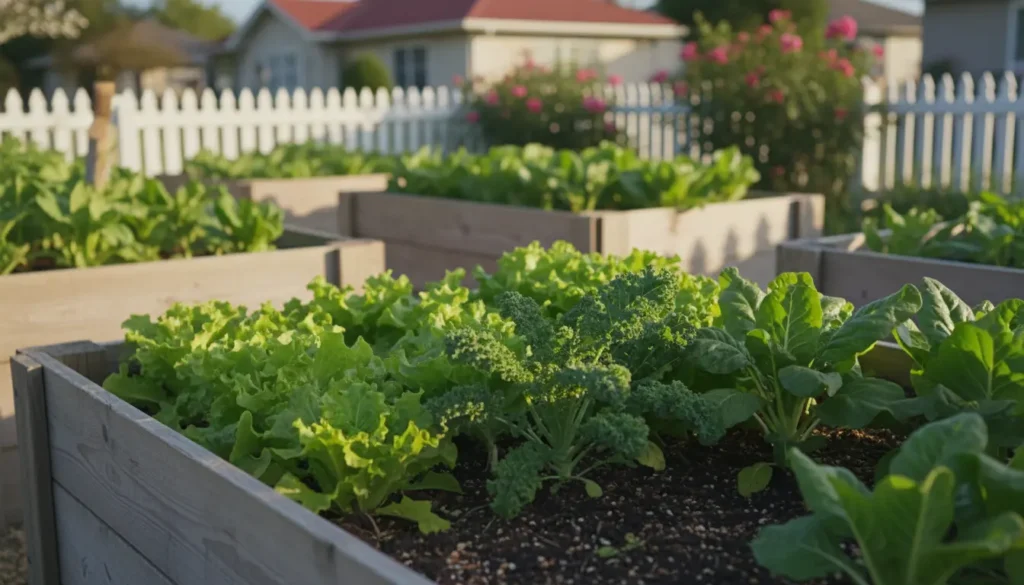
Raised beds warm up faster in spring, letting you plant earlier than in-ground beds. They also improve drainage and reduce soil compaction.
Small Case Study: A Beginner Raised Bed
Maria, a first-time gardener in a small suburban yard, built a single 4×4 foot raised bed and filled it with a 50/50 mix of compost and topsoil. She planted lettuce, radishes, cherry tomatoes, and basil in the first season.
By following a weekly watering schedule and adding compost once midseason, she harvested continuous salad greens for three months. The bed yielded more produce than she expected and taught useful lessons about spacing and harvest timing.
Practical Tips and Quick Checklist
Use this checklist to keep the project manageable and measurable. It helps avoid common beginner mistakes.
- Pick a sunny spot and measure available space.
- Test soil or prepare a raised bed with compost.
- Choose 6–10 easy crops and check planting dates.
- Set up a simple watering plan and mulching strategy.
- Inspect plants weekly and harvest regularly.
Final Notes on How to Start a Vegetable Garden
Start small and learn one season at a time. Gardening involves experimentation, but basic practices—sun, good soil, water, and timely care—will reliably produce results.
Keep notes on what worked and what did not. Over two or three seasons you will refine your layout, crop choices, and care routine for better yields each year.