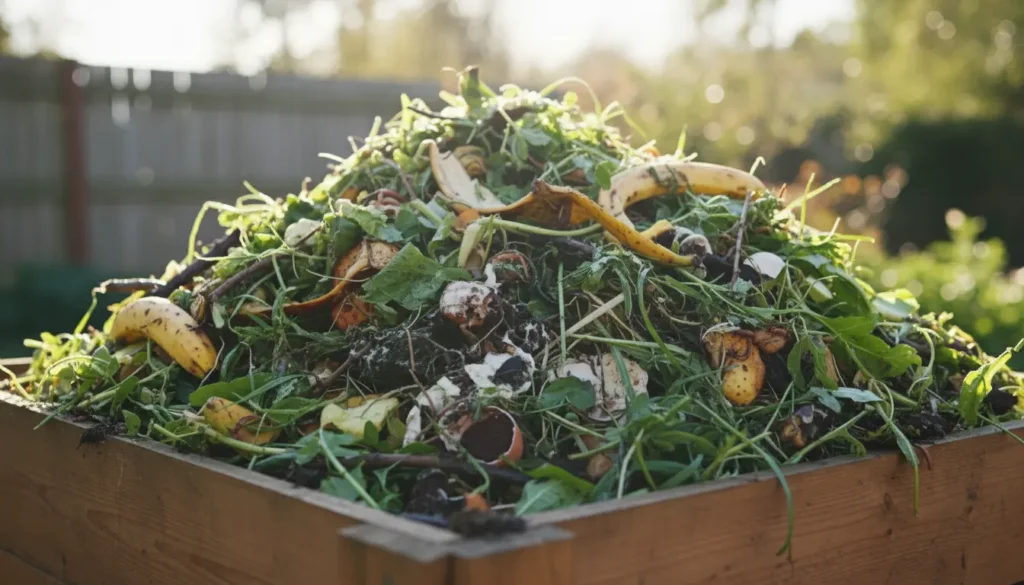
Why Home Composting Matters
Composting turns kitchen and yard waste into nutrient-rich soil. It reduces trash, lowers methane from landfills, and improves garden health.
This guide explains easy, practical steps to start a home compost bin and keep it working well. It focuses on actions anyone can follow, whether you have a backyard or a small balcony.
Home Composting Basics
Home composting depends on combining carbon-rich “browns” and nitrogen-rich “greens.” Browns are dry materials like leaves and cardboard. Greens are wet materials like vegetable peels and coffee grounds.
A healthy compost pile needs air, moisture, and a balanced mix of materials. Microbes and small insects break down the waste into rich humus over weeks to months.
How to Start a Home Compost Bin
Choose a container that fits your space and volume of waste. Options include a simple pile, a tumbling bin, or a lidded plastic bin for small spaces.
Place the bin on soil if possible to let worms and microbes enter. If using a balcony, put the bin on a tray to protect surfaces.
Step-by-Step Setup
- Pick a location with partial shade and good drainage.
- Start with a 6-inch layer of coarse browns like twigs or straw to help airflow.
- Add alternating layers of greens and browns, keeping each layer a few inches thick.
- Keep the pile moist like a wrung-out sponge; water if it dries out.
- Turn or mix the pile every 1–2 weeks to add oxygen and speed decomposition.
What to Add and What to Avoid
Knowing what to include prevents odors and pests. Use common-sense items and avoid problem materials.
Good Materials for Home Composting
- Greens: fruit and vegetable scraps, coffee grounds, tea bags (without staples).
- Browns: dry leaves, shredded paper, cardboard pieces, sawdust from untreated wood.
- Other: eggshells crushed, small amounts of hair and pet fur.
Materials to Avoid
- Meat, fish, bones, and dairy (attract pests and create smell).
- Oily or greasy foods that slow composting.
- Diseased plants or invasive weeds that may survive the process.
- Coal ash, treated wood, or plastics.
Maintaining Your Home Compost Bin
Regular care keeps the process steady. Simple checks and small actions prevent stagnation or odors.
Routine Checklist
- Moisture: Squeeze a handful. It should feel like a damp sponge, not dripping wet.
- Air: Turn the pile every 1–2 weeks with a pitchfork or garden fork; tumblers need less manual turning.
- Balance: Add more browns if the pile smells sour. Add greens if decomposition is very slow.
- Temperature: A hot pile (120–140°F) breaks down faster, but a home pile often stays cooler and still works fine.
Troubleshooting Common Problems
Most issues have simple fixes. Smells, pests, and slow breakdown are common and manageable.
Smells Bad
Cause: Too many greens or too wet. Fix: Add browns, turn the pile, and let it aerate.
Pests Like Rats or Flies
Cause: Food scraps exposed or meat/dairy added. Fix: Bury new food under browns, use a closed bin, and avoid banned items.
Compost Not Breaking Down
Cause: Too dry, too compact, or too many browns. Fix: Add water, turn, and add some greens to balance carbon to nitrogen.
Finished Compost and How to Use It
Ready compost looks dark, crumbly, and earthy-smelling. It should be free of recognizable food pieces.
Use finished compost to topdress garden beds, mix into potting soil, or add to lawn soil at a light rate. It improves water retention and delivers slow-release nutrients.
Small Real-World Case Study
Maria, a four-person household in a small city, started a 50-gallon tumbler on her balcony. She saved fruit and vegetable scraps in a sealed container and emptied it into the tumbler twice a week.
She balanced additions with shredded cardboard and turned the tumbler weekly. After four months she had usable compost, reduced her kitchen waste by nearly half, and used the compost in container tomatoes with visibly better growth.
Quick Tips for Success
- Chop large scraps to speed breakdown.
- Keep a small kitchen caddy for scraps to make collecting easier.
- Mix different browns and greens instead of using only one type.
- Be patient — even slow composting adds value to your soil.
Home composting is a practical, low-cost practice that reduces waste and builds soil health. Start small, follow the basic balance of browns and greens, and adjust based on what you observe. With a little routine care, most households can produce rich compost within months.