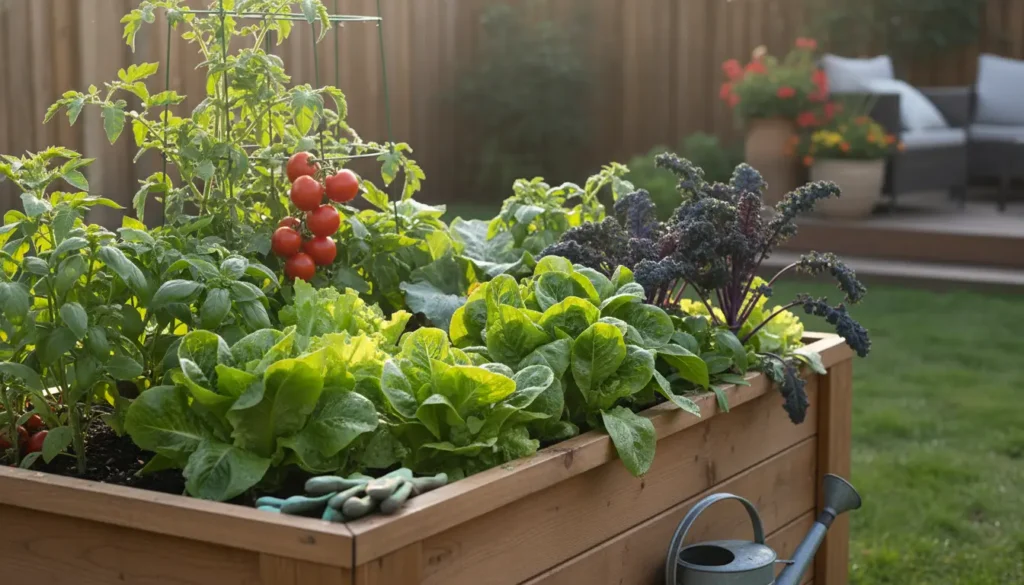
Starting a vegetable garden is straightforward when you break it into clear steps. This guide gives practical, actionable instructions for beginners who want to grow food at home.
How to Start a Vegetable Garden: Plan Your Garden Location
Pick a site with at least 6 hours of direct sunlight per day. Vegetables need good light to produce fruit and strong foliage.
Consider access to water, drainage, and how close the plot is to your house for daily care.
Choose Garden Type
Select the style that fits your space and budget. Common options include in-ground beds, raised beds, and container gardens.
- Raised beds: Better drainage and soil control; ideal for small yards.
- In-ground beds: Lower cost but may need soil improvement.
- Containers: Good for balconies and patios; limit plant size and root depth.
How to Start a Vegetable Garden: Prepare Soil and Beds
Healthy soil is the foundation of a productive vegetable garden. Test soil if possible to check pH and nutrient levels.
Amend the soil with compost and organic matter to improve structure and fertility.
Soil Preparation Steps
- Clear weeds and debris from the chosen area.
- Loosen soil to a depth of 8–12 inches for most vegetables.
- Mix in 2–4 inches of compost or well-rotted manure.
- Level beds and install edging or raised bed frames if used.
How to Start a Vegetable Garden: Choose What to Plant
Pick vegetables that match your climate, soil, and the season. Start with easy, reliable crops for first-timers.
- Beginner-friendly vegetables: tomatoes, lettuce, radishes, bush beans, zucchini, and herbs like basil and parsley.
- Consider planting high-yield or quick-harvest crops to keep motivation high.
Planting Tips
Follow seed packet or plant label spacing and depth instructions. Overcrowding reduces air flow and increases disease risk.
Stagger plantings (succession planting) for a steady harvest over weeks instead of one large yield.
How to Start a Vegetable Garden: Watering and Maintenance
Consistent watering is essential. Young plants need regular moisture to establish roots.
Use soaker hoses or drip irrigation to deliver water directly to the root zone and reduce evaporation.
Watering Guidelines
- Water deeply once or twice a week rather than shallow daily sprinkling.
- Check soil moisture: dig 1–2 inches down; soil should feel slightly damp but not waterlogged.
- Mulch with straw or shredded leaves to retain moisture and suppress weeds.
How to Start a Vegetable Garden: Pest and Disease Basics
Preventive care is easier than reactive treatment. Healthy soil and proper spacing reduce most problems.
Inspect plants regularly and remove affected leaves early to slow disease spread.
Simple Pest Controls
- Handpick large pests like caterpillars and beetles.
- Use row covers to protect young plants from insects and birds.
- Encourage beneficial insects like ladybugs and lacewings by planting flowers such as marigolds and dill.
How to Start a Vegetable Garden: Harvesting and Ongoing Care
Harvest on time: most vegetables taste best and produce more when picked promptly. Regular harvesting encourages new growth.
Keep a simple record of planting dates and harvests to refine timing and variety choices in future seasons.
Storage and Use
- Leafy greens: harvest in morning and store in the fridge for up to a week.
- Tomatoes: ripen on the vine for best flavor; store at room temperature.
- Root vegetables: can be stored longer in a cool, dark place after curing.
Planting a mix of herbs and flowers near vegetables can attract pollinators and beneficial insects, improving yields and reducing pests naturally.
Common Beginner Mistakes and Quick Fixes
- Overwatering: reduces root oxygen. Fix: water less often and add organic matter to improve drainage.
- Planting too close: increases disease risk. Fix: thin seedlings to recommended spacing.
- Ignoring soil health: leads to poor yields. Fix: add compost annually and rotate crops each season.
Small Real-World Example
Case Study: Sarah’s Small Balcony Garden
Sarah began with three 16-inch containers and potting mix. She planted cherry tomatoes, basil, and lettuce in spring.
Within 10 weeks she harvested daily salad greens and 12 pounds of cherry tomatoes over the summer. Her keys were regular watering, fertilizer once a month, and moving containers to capture afternoon sun.
Final Checklist to Start Your Vegetable Garden
- Choose location with 6+ hours sun and easy water access.
- Decide on raised bed, in-ground, or containers.
- Prepare soil: clear, loosen, and add compost.
- Select beginner-friendly vegetables and follow spacing guidance.
- Set up simple watering and mulch to retain moisture.
- Inspect weekly for pests and harvest on schedule.
Starting a vegetable garden is a learning process. Keep notes, start small, and expand as you gain confidence. With basic planning and consistent care, you can produce fresh vegetables and enjoy the satisfaction of homegrown food.